
Self-Compassion vs. Self-Criticism: How You Talk to Yourself Matters

We all have an inner voice — the way we speak to ourselves when things go wrong, when we make mistakes, or when we feel like we’re not enough.
For many people, that voice is critical. It might sound like:
“I should have done better.”
“What’s wrong with me?”
“I always mess things up.”
Over time, this kind of self-talk can feel normal. Even motivating. But in reality, harsh self-criticism often increases stress, lowers confidence, and keeps us feeling stuck.
There’s another way to relate to yourself: self-compassion.

What Is Self-Criticism?
Self-criticism is the tendency to judge yourself harshly, especially during difficult moments.
It often comes from:
High expectations or perfectionism
Fear of failure or rejection
Past experiences where mistakes weren’t safe
Internalized messages from others
While it can feel like it keeps you accountable, self-criticism usually leads to shame, anxiety, and avoidance — not growth.
What Is Self-Compassion?
Self-compassion means treating yourself with the same kindness, understanding, and patience that you would offer someone you care about.
It involves three key elements:
Kindness: Speaking to yourself gently instead of harshly
Common humanity: Remembering that everyone struggles sometimes
Awareness: Noticing your feelings without ignoring or exaggerating them
Self-compassion doesn’t mean letting yourself off the hook. It means supporting yourself in a way that actually helps you move forward.

Why Self-Criticism Doesn’t Work
Many people believe that being hard on themselves will push them to do better. But research and experience show the opposite.
When you’re self-critical, you’re more likely to:
Feel overwhelmed or discouraged
Avoid challenges out of fear of failure
Stay stuck in cycles of shame and overthinking
In contrast, self-compassion creates emotional safety — which makes it easier to learn, grow, and try again.
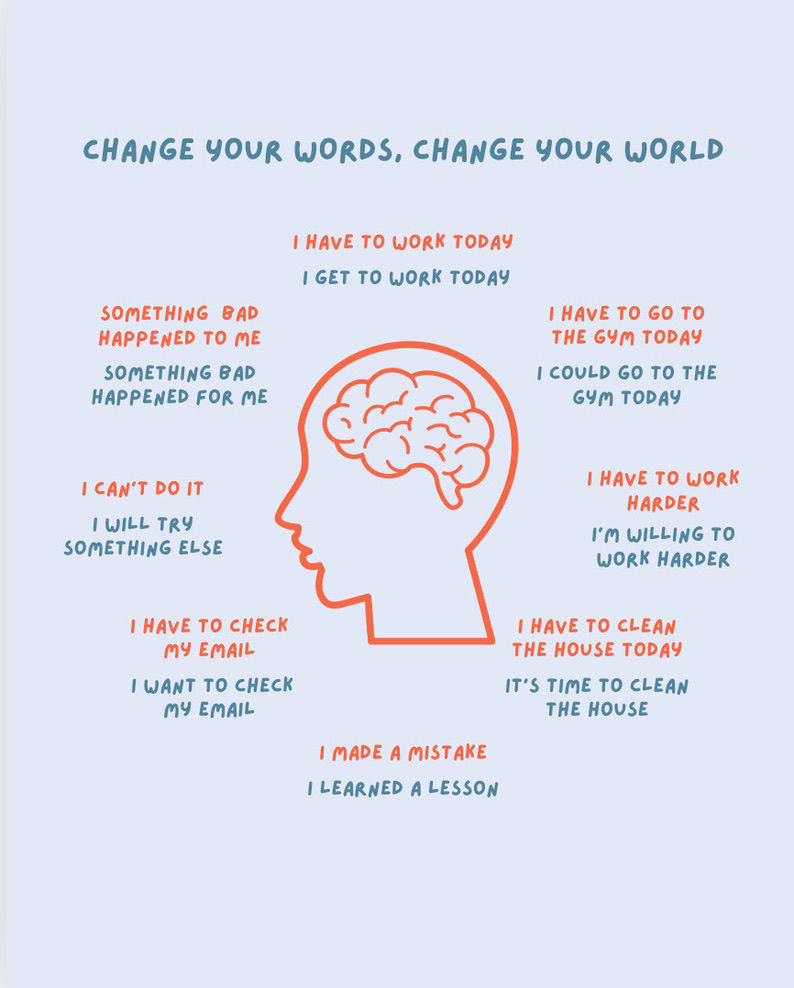
What Self-Compassion Can Sound Like
Shifting your inner voice doesn’t mean ignoring mistakes. It means responding differently.
Instead of:
“I’m such a failure.”
Try:
“That didn’t go how I hoped, but I’m allowed to learn from this.”
Instead of:
“I should be able to handle this.”
Try:
“This is hard right now, and it makes sense that I’m struggling.”
These small shifts can make a big difference in how you feel and how you move forward.
How to Start Practicing Self-Compassion
🌿 Notice your inner voice
Pay attention to how you speak to yourself, especially during stressful moments.
🌿 Pause and reframe
Ask yourself: “What would I say to a friend in this situation?”
🌿 Normalize imperfection
Remind yourself that struggling doesn’t mean you’re failing — it means you’re human.
🌿 Start small
You don’t have to completely change your mindset overnight. Even slightly softening your tone matters.

Final Thoughts
The way you speak to yourself shapes how you experience the world.
Self-criticism may feel familiar, but it often keeps you stuck. Self-compassion, on the other hand, creates space for healing, resilience, and real growth.
You deserve to be treated with kindness — including by yourself.
If you find that your inner critic is hard to quiet, therapy can help you explore where it comes from and build a more supportive relationship with yourself. Reach out to info@collectivemindscounselling.ca or 705-315-5100 for a free 15-minute consultation.


Comments